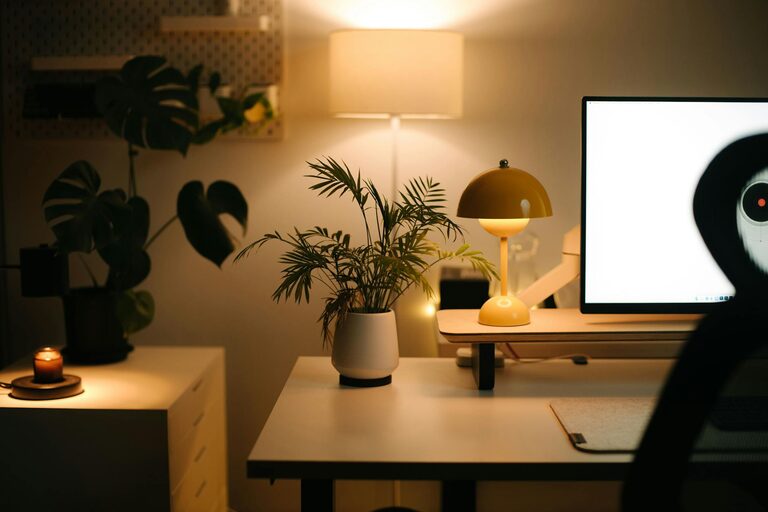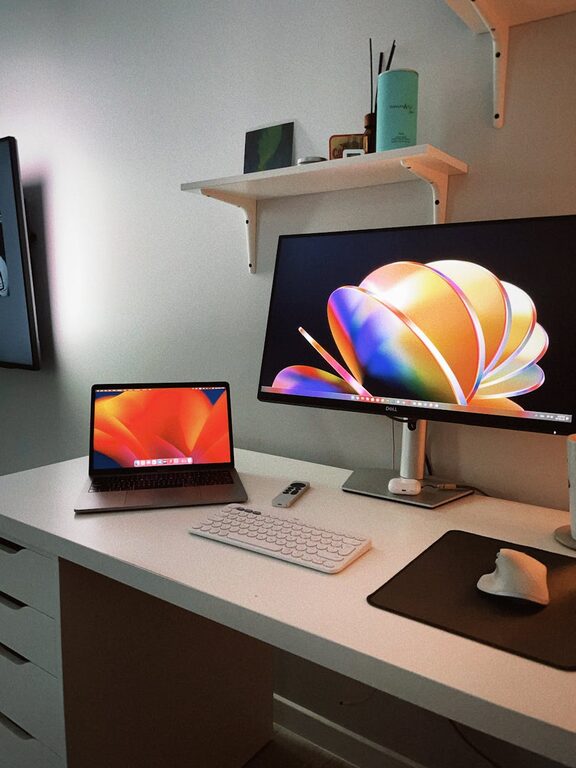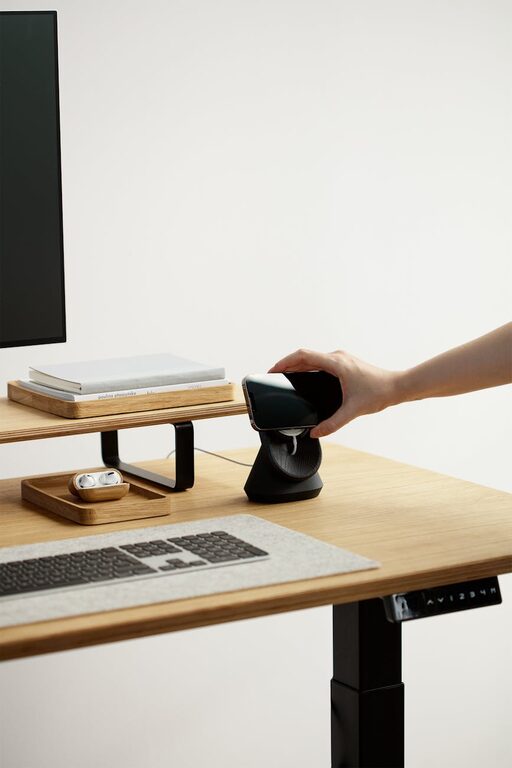
Creating a cozy and productive home office space is essential for anyone working remotely or frequently handling tasks at home. A well-designed workspace can boost your focus, reduce stress, and make your workday more enjoyable. Whether you have a dedicated room or just a small corner, there are simple ways to transform your area into a place where comfort meets efficiency.
Why Your Home Office Matters
When your workspace supports your needs, it’s easier to maintain good habits, stay motivated, and separate “work time” from “home time.” On the other hand, a cluttered or uncomfortable space can lead to distractions and fatigue. Here, we’ll explore tips to help you create the ideal home office environment.
1. Choose the Right Location
Consider natural light
Position your desk near a window if possible. Natural light helps reduce eye strain and boosts mood. If your space lacks natural light, invest in bright, adjustable lighting to mimic daylight.
Minimize noise and distractions
Find a quiet spot where household noise is minimal. If you can’t avoid noise, consider soundproofing elements like rugs, curtains, or noise-canceling headphones.
2. Invest in Comfortable and Ergonomic Furniture
A supportive chair
Your chair should provide good lumbar support and be adjustable to fit your body. Sitting comfortably helps you avoid back pain and maintain focus longer.
The right desk height
Choose a desk that allows your arms to rest at about a 90-degree angle when typing. A desk with adequate surface area also helps keep your workspace organized.
Consider standing options
If possible, use a sit-stand desk or a desk converter to alternate between sitting and standing throughout the day, which can improve circulation and energy levels.
3. Organize Your Workspace Efficiently
Keep essential items within reach
Place your most-used items, like your computer, notebooks, and pens, close by to avoid unnecessary stretching or searching.
Use storage solutions
Use shelves, drawers, or desk organizers to store supplies neatly. Keeping clutter out of sight minimizes distractions and creates a calming space.
Cable management
Avoid messy cables by using clips, sleeves, or ties to keep wires organized and prevent tangling.
4. Personalize Your Space for Comfort and Inspiration
Choose calming colors
Soft, neutral colors like light blues, greens, or warm grays promote calm and focus. You can add pops of brighter colors through artwork or accessories to energize the space.
Add plants
Indoor plants improve air quality and add natural beauty. They can also provide a sense of calm and reduce stress.
Incorporate meaningful decor
Display photos, art, or objects that inspire you. However, be mindful not to overcrowd your desk with too many items.
5. Pay Attention to Lighting
Layered lighting
Combine overhead, task, and ambient lighting to create a balanced environment. Desk lamps with adjustable brightness and color temperature are great for focused work.
Avoid screen glare
Position screens to avoid direct reflections from windows or lights, which can strain your eyes.
6. Create Boundaries Between Work and Home Life
Use a dedicated workspace
Even if it’s a small corner, having a specific area for work helps signal your brain when it’s time to focus and when it’s time to relax.
Establish routines
Set regular work hours, take breaks, and shut down your workspace at the end of the day to separate work and personal time.
7. Enhance Productivity With Useful Tools and Technology
Reliable internet and tech
Invest in reliable internet and quality peripherals like a good keyboard, mouse, and webcam to avoid frustrations.
Productivity apps
Use apps for task management, note-taking, or time tracking to stay organized and efficient.
Avoid digital clutter
Keep your desktop and folders organized to prevent distractions and lost work.
8. Keep Comfort in Mind
Temperature control
Ensure your workspace is comfortable year-round with fans, heaters, or open windows as needed.
Take breaks
Schedule short, frequent breaks to stretch or walk around. Physical activity helps clear your mind and reduce fatigue.
—
Creating a cozy and productive home office doesn’t have to be complicated. With thoughtful planning and personal touches, you can design a space that supports your work and well-being. Start small, assess what works best for you, and enjoy the benefits of your new, comfortable workspace.