Creating a home office space that combines comfort and productivity is essential for anyone working from home. Whether you spend a few hours or the entire day in your workspace, a well-designed area can boost your focus, reduce stress, and help maintain a healthy work-life balance. In this post, we’ll explore practical tips and ideas for turning your home office into a cozy and efficient environment.
Choose the Right Location
Consider Natural Light
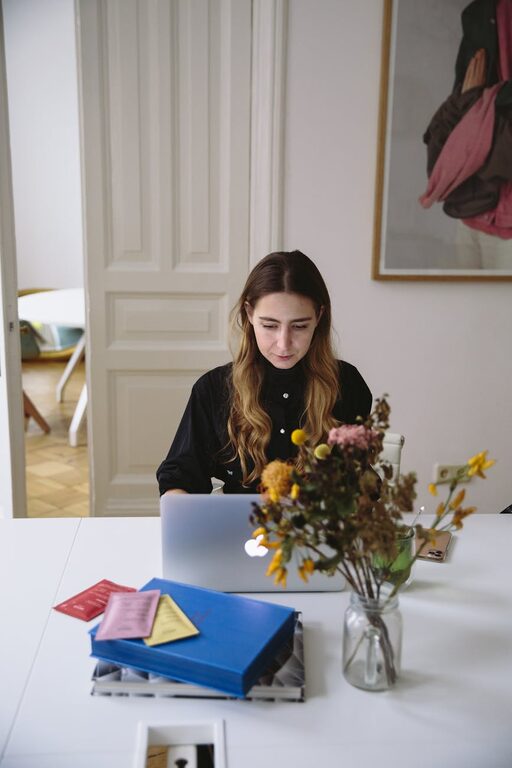
Natural light is one of the most important factors in designing a pleasant workspace. Position your desk near a window to take advantage of daylight. This not only helps reduce eye strain but also elevates your mood, making it easier to stay alert and engaged.
Minimize Distractions
Select a quiet spot in your home where interruptions are minimal. If that means a separate room, great. If not, try to create boundaries (like a room divider) within a shared space to distinguish work time from leisure.
Invest in Comfortable Furniture
Ergonomic Chair and Desk
Comfortable seating is crucial for long work sessions. Choose an ergonomic chair that supports your back, encourages good posture, and adjusts to your height. Similarly, select a desk at the right height to prevent strain on your wrists and shoulders.
Add Soft Textiles
Incorporate cushions, a throw blanket, or a soft rug in your office to add warmth and comfort. These elements make the space feel more inviting and cozy, especially during colder months.
Optimize Organization and Storage
Keep Clutter to a Minimum
A tidy workspace helps clear your mind. Use desk organizers, shelves, and storage bins to keep documents, gadgets, and supplies neatly arranged. Regularly declutter to maintain a calm, focused environment.
Utilize Vertical Space
Maximize your office’s storage capacity by adding wall-mounted shelves or pegboards. This keeps items visible and within reach without crowding your desk.
Personalize Your Workspace
Bring in Greenery
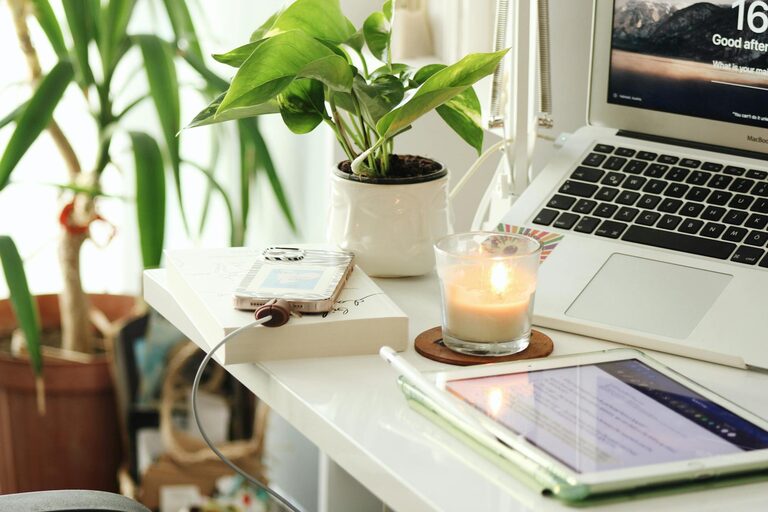
Plants can improve air quality and add a touch of nature to your office. Choose low-maintenance options like succulents or pothos that thrive indoors. A plant or two can help reduce stress and increase productivity.
Add Art and Decorations
Use artwork, inspirational quotes, or photos to personalize your space. These touches can make your home office feel uniquely yours and keep you motivated throughout the day.
Optimize Lighting
Layer Your Lighting
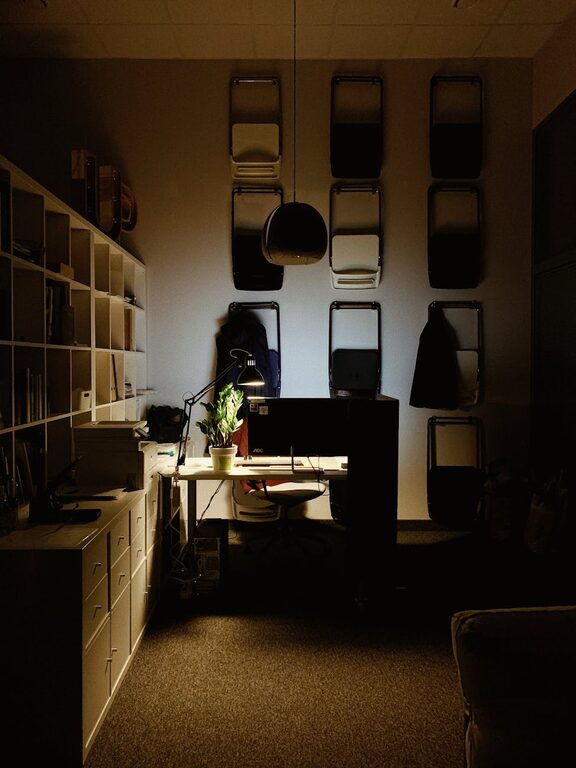
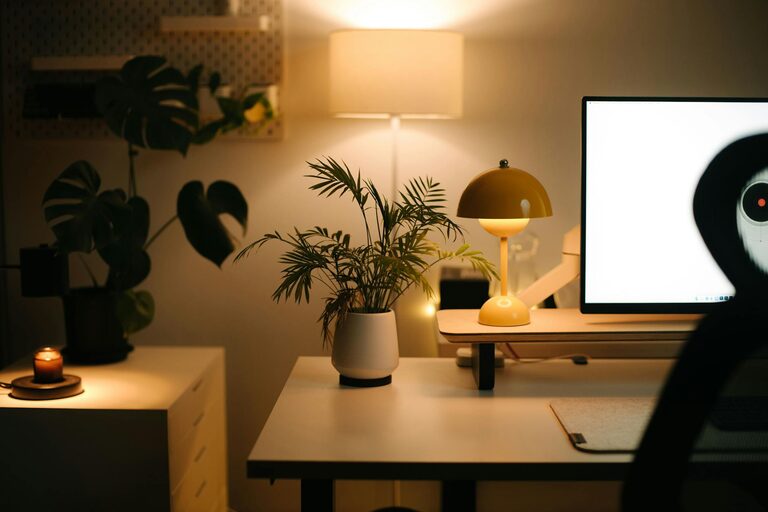
A combination of overhead lighting, task lighting, and ambient sources creates a balanced, comfortable workspace. A desk lamp with adjustable brightness allows you to customize lighting based on your tasks and time of day.
Avoid Glare
Position computer screens to avoid glare from windows or lights, which can cause eye strain. Consider using blinds or curtains during bright periods.
Establish Clear Boundaries and Routines
Define Work Hours
Setting specific work hours helps create a routine and signals to family members when you should not be disturbed. This practice also prevents work from spilling into your personal time.
Designate Work Zones
If your workspace is not separate from living areas, try to clearly define where work happens. Use a desk, chair, and related equipment only in your work zone, and avoid working from couches or beds.
Incorporate Technology Wisely
Invest in Reliable Equipment
Ensure your computer, internet connection, and other technology are reliable and up-to-date. This reduces frustrations and downtime during work.
Manage Cables
Use cable organizers or clips to keep cords tidy and avoid clutter. A clean setup improves safety and contributes to a neat aesthetic.
Add Comfort and Wellness Features
Keep Hydrated and Snack Ready
Keep a water bottle and healthy snacks nearby to maintain energy levels throughout the day without frequent breaks that disrupt focus.
Include Break Areas
If space allows, create a small area for short breaks — a comfy chair or a cushion on the floor for stretching. Taking regular, brief breaks enhances productivity and well-being.
Final Thoughts
Designing a cozy and productive home office takes some planning, but the benefits are worth the effort. By focusing on comfort, organization, personalization, and boundaries, you can create a space that supports both your work and your well-being. Remember, your home office should inspire you to do your best while feeling like a pleasant spot to spend your time. Happy decorating!